Silverfish, Booklice, Roaches and Mice: Pest Management for Records Storage
 Elias Brandt9 min read
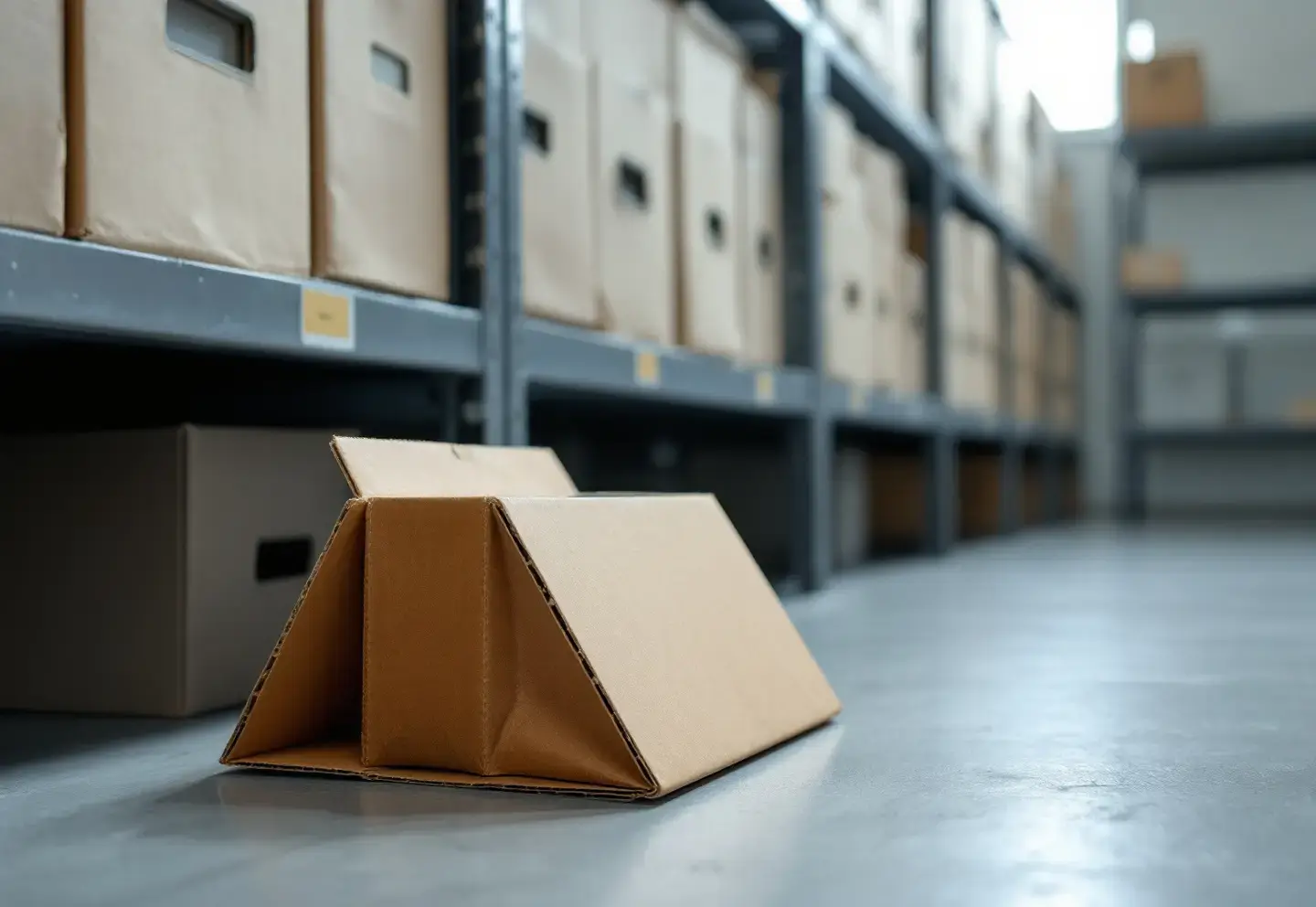
Insect damage rarely arrives all at once. The grazed paste-downs in a docket book, the lace of tunnels through a ledger's gutter, the nest of shredded index cards that turns up behind a filing cabinet during an office move: each took months of quiet feeding in a room nobody was checking. Late October is a sensible time to start checking. Mice begin moving indoors as the nights turn cold, the heat is coming on and drying some rooms while basements stay damp, and boxes that arrived over the summer have had time to hatch whatever came in with them.
Conservators call the approach integrated pest management, or IPM. It is less a product than a habit: keep pests out, watch for the ones that get in anyway, make the room unattractive to them, and treat affected items with methods that leave nothing on the paper. Chemicals come last, and they never touch the records.
Know who is eating what
You can't respond sensibly to something you haven't identified. The usual suspects are few, and each tells you something about the room.
| Pest | What it damages | Signs | What it says about the room |
|---|---|---|---|
| Silverfish and firebrats | Coated and sized paper surfaces, starch paste, cloth, labels | Thinned or scraped patches, notched edges, tiny scales | Damp and dark, or warm near boilers and pipes |
| Booklice (psocids) | Mostly mold on paper; light grazing | Tiny pale insects on pages and box lids | Humidity is too high; mold may follow |
| Cockroaches | Glue, paste, cloth, leather, paper edges | Dark fecal spotting, egg cases, musty smell | Food and water nearby, gaps around plumbing |
| Rodents | Gnawed corners and spines, shredded paper | Droppings, urine stains, nesting debris | Entry gaps, food, undisturbed clutter |
| Book-boring and dermestid beetles | Tunnels through text blocks and boards | Round exit holes, powdery frass beneath | An infestation that has run for a while |
Booklice do little direct harm, but a population of them is one of the clearest humidity warnings a room can give. Find the moisture before you do anything else.
Rodent droppings are a health matter too. Some wild mice carry hantavirus, so follow your health department's guidance; the usual advice is gloves, then wetting droppings and nesting material with disinfectant and wiping them up rather than sweeping or vacuuming them dry.
Checklist one: keep them out
Most pests walk in, fly in or are carried in.
- Fit door sweeps to exterior doors and to the storage room door itself.
- Seal gaps around pipes, conduit and cable runs. Rodents chew through foam, so pack openings with copper mesh or steel wool first, then seal.
- Keep food, drink and food waste out of storage areas, including the coffee maker someone keeps on top of the map case.
- Unpack shipments outside the storage room and recycle the corrugated cartons, a favorite hiding place for cockroaches and silverfish.
- Quarantine donations and transfers for a few weeks in a separate space and inspect them before they join the collection.
- Keep the lowest shelf a few inches off the floor so you can clean underneath. The storage equipment and supplies guide covers what to look for in shelving.
- No plants, cut flowers or upholstered furniture in the room.
- Outside, pull mulch back from the foundation and move dumpsters away from doors near storage.
- Vacuum on a schedule with a HEPA-filtered machine, especially corners and under shelving, where dust and dead insects feed the next generation.
Archivist’s kit
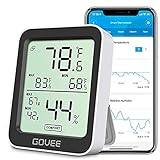
Govee H5075 Bluetooth hygrometer
Logs temperature and humidity to a phone app and alerts out-of-range readings.
- Bluetooth app with history and export
- Alerts when readings leave your range
- Large display
$12.99 Price checked at Amazon Oct 21, 2026, 12:25 PM ET
Get it on Amazon
Midea 22-pint dehumidifier
A smaller unit for a records room or office.
- Maker rates it for 1,500 sq ft
- Humidity setting from 35 to 85 %
- Energy Star certified
$194.99 Price checked at Amazon Oct 21, 2026, 12:25 PM ET
Get it on Amazon
Product prices and availability are accurate as of the date/time indicated and are subject to change.
Picked from maker specifications and published reviews. We have not bench-tested these units.
More in the Archivist’s kitChecklist two: monitor with traps and a log
Monitoring tells you what is there before the damage does. The standard tool is the sticky trap, a folded card with an adhesive floor. Traps are cheap, contain no poison, and used systematically they become one of the most useful records you keep about the room.
- Use unbaited insect traps indoors. For rodents, use snap or multi-catch traps in enclosed stations.
- Avoid poison baits inside storage. A poisoned mouse often dies behind a shelf unit, and the carcass then feeds carpet beetles.
- Place traps where insects travel: along the wall-floor joint, in corners, beside doors, pipes and floor drains, under the lowest shelf.
- Number every trap and mark it on a floor plan. A trap without a fixed number and location produces anecdotes, not data.
- Check monthly as a baseline, weekly for the first couple of months or after a find.
- Replace traps every few months, or when dusty or full.
- Record zeros. An empty trap is a result.
The log can be a clipboard sheet or a spreadsheet; the columns matter more than the medium. A sample layout with illustrative entries:
| Date | Trap | Location | Catch | RH nearby | Action |
|---|---|---|---|---|---|
| Mar 2 | T-04 | NE corner, wall-floor joint | 2 silverfish | 58% | Check dehumidifier drain |
| Mar 2 | T-07 | Under range 3 | None | 52% | None |
| Apr 6 | T-04 | NE corner, wall-floor joint | 5 silverfish | 61% | Inspect range 1 boxes; call facilities |
Over a few months, patterns appear. Silverfish cluster in a corner that shares a wall with a restroom. Booklice spike whenever a storm sets the sump running. Pair the log with temperature and humidity readings and the room starts explaining itself. If you don't have data loggers yet, our piece on environmental monitoring for a records vault covers choosing and placing them.
Checklist three: take the moisture away
Silverfish, booklice and cockroaches all depend on moisture, and so does the mold booklice eat. Drying a room is often the most effective pest control you have, and it protects the records from everything else at the same time.
- Hold relative humidity steady in the range most storage guidance recommends, roughly 35 to 50 percent. A room that stays there rarely supports booklice or mold for long.
- Fix leaks first: roofs, plumbing, condensate lines, window wells, gutters dumping against the foundation.
- Run dehumidifiers into a drain or condensate pump, not a bucket that nobody empties over a long weekend.
- Keep boxes off exterior walls and away from slab floors that sweat in summer.
- Check the places that stay damp: by the sump, the back of the lowest shelf, inside cabinets on outside walls.
Checklist four: when something has been eating the records
- Do not spray the item, the box or the shelf.
- Bag the item in clear polyethylene, seal it and move it to a quarantine area. Bag its shelf neighbors too until you've inspected them.
- Keep a specimen. An insect stuck to a trap or dropped into a vial is enough for a county extension office or a conservator to identify, and treatment depends on the species.
- Inspect the rest of the range and read back through the trap log for that area.
- Brush loose frass onto a sheet of paper with a soft brush, or use a HEPA vacuum at low suction with screening over the nozzle. Leave damaged paper alone beyond that; the guide to conservation treatments explains what mending involves and who should do it.
- Choose a treatment: freezing for most paper-based items, or a low-oxygen (anoxic) treatment arranged through a conservator for things that can't be frozen.
Freezing infested items, step by step
Done correctly, freezing kills insects at every life stage and leaves no residue. Done carelessly, it leaves condensation damage or survivors. This is the sequence I follow at the bench.
- Check that the item can take the cold. Paper, bound volumes, cloth and leather bindings generally tolerate freezing. Ask a conservator first about photographs, glass plates, parchment, painted or lacquered surfaces, wax seals and flaking media. Magnetic and optical media don't go in the freezer at all.
- Wrap and bag. Wrap the item loosely in clean tissue, then seal it in a polyethylene bag with the air pressed out. Label the outside with the item and the date.
- Freeze fast and cold. Most conservation guidance calls for -20°C (-4°F) or colder. Many kitchen freezers don't get there; a chest freezer with a thermometer inside is the better tool. Don't pack it full, or items cool slowly and insects get time to acclimate.
- Hold the temperature. At least 72 hours once items reach temperature; a week is a comfortable margin, and thick volumes need longer.
- Thaw in the bag. Leave the sealed bag at room temperature for a day or two so condensation forms on the plastic, not the paper. Opening a cold bag in a warm room is the most common mistake in the whole process.
- Consider a second cycle. Some protocols freeze, thaw and freeze again to catch surviving eggs. For beetles or heavy infestations, I do.
- Clean, inspect and wait. Brush away dead insects and frass, then keep the item in quarantine with a trap beside it for a few weeks.
- Write it down. Item, pest, dates of each cycle and freezer temperature go in the pest log.
Freezing doesn't fix the room. If the source is still on the shelf, a treated volume will simply be colonized again, so treat the space at the same time as the items.
Why no pesticides on the collection
Spray insecticides leave residues and carry solvents that can stain paper and soften inks and adhesives. Foggers coat every surface in a room with an oily film, records included. Mothballs give off vapors that are unpleasant for people and can affect plastics and resins in a mixed collection. All of them become a hazard for whoever handles the records decades from now, with nothing on the box to warn them.
A building pest control contract is fine, and useful outdoors and in kitchens. Put the terms in writing:
- No spraying, fogging or dusting inside records storage.
- Gel baits only, in cracks and crevices of rooms that hold no records.
- Rodent bait stations outside the building, locked and anchored; traps only inside.
- A copy of every visit report for your file, and a look at your trap log at each visit.
A good technician will welcome the log. It shows them where the problem is.
Where to start if nothing is in place
You don't need a committee. Buy two or three dozen sticky traps, draw a floor plan, number the positions, and check them on the first working day of every month. Put a humidity logger in the dampest corner you can find. Move the food out. By the end of winter you will know more about what lives in your records room than most offices ever learn, and you'll know it before the damage reaches a page. The Northeast Document Conservation Center at nedcc.org publishes practical collections-care leaflets worth keeping at hand, and our preservation guides show where pest work fits in a wider program.
Keep reading
Fireproof Safes for Documents: Chests, File Boxes, Bags and What the Ratings Mean
How to choose a fireproof safe, document box or bag for papers and media: UL Class 350 vs 125, 30 minutes vs 1 hour, water ratings and what to keep inside.
Environmental Monitoring for a Records Vault: Loggers, Targets and Reading the Graph
A practical checklist for monitoring temperature and humidity in a records vault, with logger placement, dehumidifier advice and how to read the logger graph.

Budgeting a Records Preservation Program Over Ten Years
Phasing a records preservation program over a decade: condition survey, priority scoring, annual tranches, recording-fee funds, grants and board reports.