Water in the Records Room: The First 48 Hours
 Margaret Thibodeau9 min read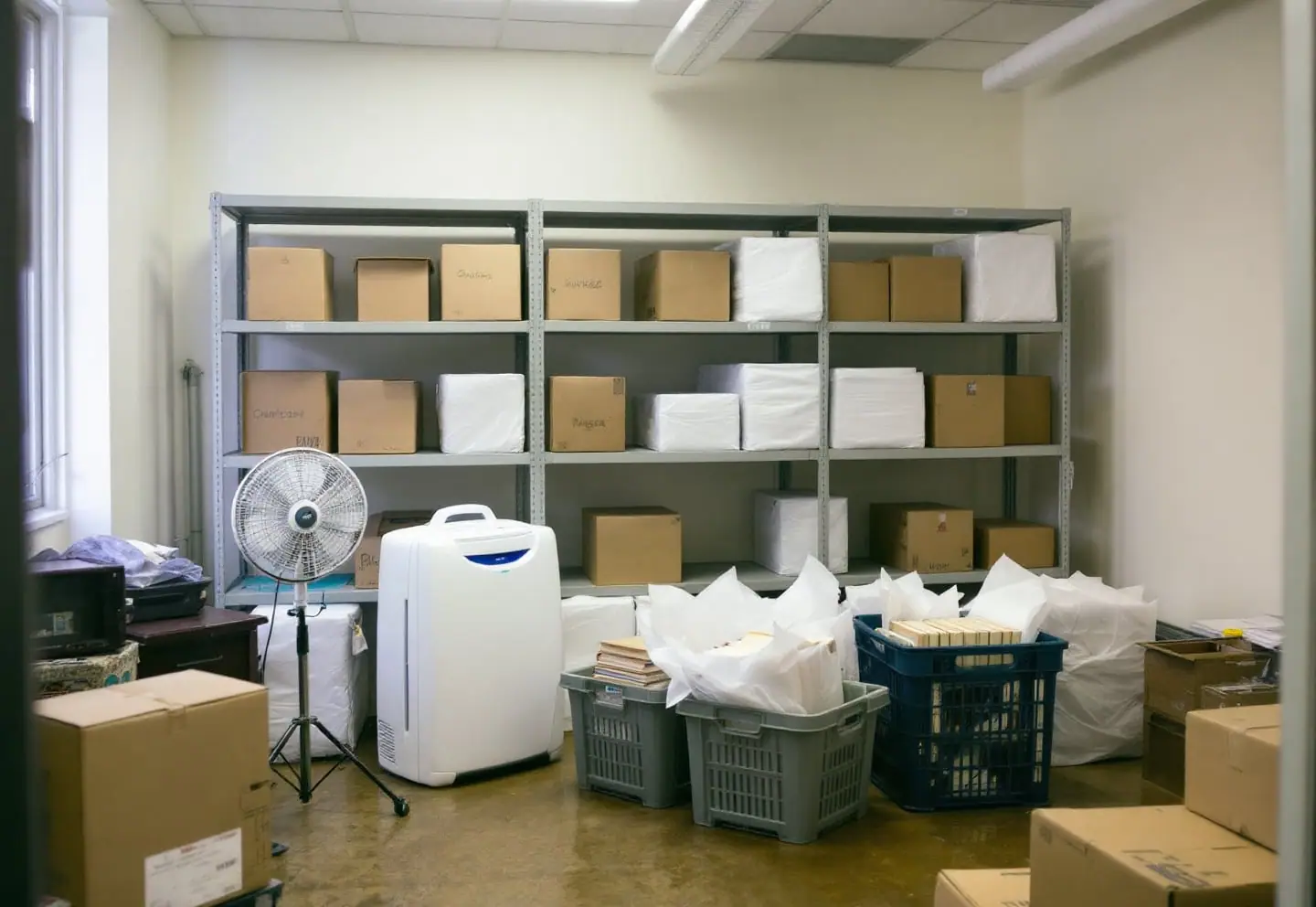
Water never comes into a records room at a convenient time. In my experience it arrives on a holiday weekend, through the ceiling, from a pipe nobody knew ran over the vault, and it is discovered by whoever happens to stop in to water the plants. Late summer and early fall bring their own versions: a gutter that can't keep up with a storm, a basement that takes on water for the first time in twenty years, an air conditioner whose drain line clogs and quietly overflows onto the top shelf.
What happens in the first two days decides whether you're running a drying job or a reconstruction job. Paper that is wet but handled sensibly can almost always be saved. Paper left in a warm, wet room over a long weekend grows mold, glossy stock fuses into bricks, and bound volumes swell until the covers won't close. Below is the checklist I'd want taped inside the vault door, hour by hour, followed by the list of things you can only do beforehand.
It assumes mostly clean water: a burst supply line, a roof leak, a sprinkler head. Floodwater and sewage change the picture. Records soaked in contaminated water need protective equipment, professional handling and sometimes hard decisions about what can be saved, so call your recovery vendor before anyone starts lifting boxes.
Hour 0 to 1: people before paper
- Don't walk into standing water until someone has confirmed the power to that area is off. Facilities staff or an electrician makes that call, not the clerk with the flashlight.
- Look up. Ceiling tiles full of water come down without warning, and so do sagging boxes on top shelves.
- Stop the water if it can be done safely. Know where the shut-off valves are before the day you need them.
- Protect the people who will be handling wet material: nitrile gloves, eye protection, sturdy boots, and N95 respirators once there's any chance of mold or dirty water.
- Start the call list: your supervisor or manager, facilities, and IT if there's anything electronic in the room.
Hour 1 to 2: the phone calls
- Your insurer or municipal risk pool. Report the loss, get a claim number, and ask three questions: what documentation they want, whether they'll send an adjuster, and whether they have approved vendors. Ask plainly for permission to begin salvage now. Property policies generally expect you to take reasonable steps to prevent further damage, and wet records won't wait politely for an adjuster's calendar.
- Your disaster recovery vendor, if you have an agreement in place. If you don't, see the box at the end, and make the call anyway.
- Your state archives. Many state archives run local government records programs that will advise in an emergency, and some states expect notification when public records are damaged or destroyed. Know your state's rules.
- A conservator or a regional preservation center, if your vendor isn't one. The American Institute for Conservation's National Heritage Responders and regional centers such as NEDCC are worth knowing about well before you need them; culturalheritage.org is a good starting point.
Hour 2 to 4: photograph, then dry the room
- Photograph before you move anything. Wide shots of the room, each range of shelving, the water line on boxes and walls, the ceiling, the source. A slow video walk-through with you narrating what you see takes five minutes and is remarkably useful later.
- Start a log. A notebook is fine. Time, what was done, who did it, readings, calls made. You will be asked for it by the insurer, the auditor and the council, roughly in that order.
- Get standing water out: wet-vacs, squeegees, pumps.
- Change the air. Lower the temperature, run dehumidifiers, and get air moving with fans that circulate the room rather than blowing straight onto wet stacks; direct blasts scatter loose papers and dry the outside of a block while the inside stays wet. Turn off the heat. Run the air conditioning if it's working. Keep doors closed so the dehumidifiers are drying the records room and not the whole building.
- Measure. A thermohygrometer or a small data logger tells you whether conditions are actually improving. Note the readings in the log every few hours.
- Protect what's still dry. If water is still dripping, drape plastic sheeting over the shelving underneath it. Don't seal wet material under plastic, though; all you'll build is a small greenhouse for mold.
Hour 4 to 12: triage
Sort everything into three groups: wet (saturated, dripping or noticeably heavy), damp (cool or limp to the touch, wet at the edges) and dry. Get the dry material out of the room first if you have somewhere cool to put it. It's easier to work without it underfoot, and it stops it picking up moisture from the room air.
Then set priorities among the wet and the damp:
- What can't be replaced. Permanent records with no security copy: minutes, vital records, land records, ordinances, cemetery records. If you have a current retention schedule, this step takes minutes instead of hours, because the permanent series are already identified. Our piece on writing a retention schedule departments will follow makes the case for having one before the pipe lets go.
- What gets worse fastest. Coated, glossy paper (printed reports, some maps, illustrated publications) sticks to itself as it dries and can become a solid block within hours, so keep it wet and get it frozen. Photographs, parchment, leather bindings and anything written in water-soluble ink, such as felt-tip pen or many rubber stamps, also go near the front of the line.
- Bound volumes. A wet volume is very heavy and very weak. Carry it flat, supported from underneath, one at a time.
While you sort, don't: pull saturated sheets apart (they'll tear), open wet books, press anything, use hair dryers or space heaters, or write on wet paper. Label the crates and bags instead.
Hour 12 to 24: interleave the damp, pack out the wet
Damp material can usually air-dry. Lay damp sheets or small stacks flat on tables covered with clean blotter, unprinted newsprint or plain white paper towels. Damp bound volumes can stand on their heads or tails with the covers opened slightly, with absorbent sheets interleaved through the text block. Don't interleave so heavily that the book fans out like a wedge; the spine can't take it. Change the interleaving as it gets damp, and keep the fans moving the room air.
Wet material should be frozen. Freezing buys time. It stops mold from growing, keeps inks from bleeding further, and lets the drying happen later, properly, at a pace that suits the material instead of the emergency.
- Wrap each wet volume in freezer paper or slip it into a polyethylene bag.
- Pack volumes flat or spine-down, one layer deep, in plastic milk crates or sturdy boxes. Don't overfill.
- Pack wet files as they are, still in their folders. Don't try to separate them.
- Label every crate on the outside with where it came from (room, range, shelf) and what's in it, and keep a packing list that matches crate numbers to records series.
- Get the crates into a freezer: a commercial or institutional freezer, a food distributor's walk-in, or a refrigerated truck from your vendor. A chest freezer at home will hold a handful of items in a pinch.
Once frozen, most wet records go to a vendor for vacuum freeze-drying, in which the ice turns directly to vapor under vacuum without passing back through liquid water. It's the method of choice for coated paper and bound volumes because it keeps distortion and sticking to a minimum. Afterward, some material will need cleaning, mending or rebinding; our guide to conservation treatments for records, maps and volumes describes what that work involves.
Hour 24 to 48: watch for mold, keep the paper trail
- Mold. General guidance is that mold can start to grow within roughly 48 to 72 hours in warm, humid conditions, and sometimes sooner. Treat the end of day two as a deadline: anything still wet should be in a freezer by then. Look and sniff for a musty odor, fuzzy spots or new staining. If you find mold, isolate the item, bag it and freeze it. Don't brush it off indoors.
- Keep the room drying. Wet drywall, carpet and wooden shelving hold a lot of water and give it up slowly. The building itself may need a restoration contractor, and dried records shouldn't go back into the space until it has stayed dry for a while.
- Keep documenting. Every decision, every crate, every receipt. Costs pile up fast and you will be asked to account for them. For public records, the record of what was damaged, moved, frozen or lost is something you'll need in its own right, and your state archives may ask for a report.
- Tell the public. A short notice that certain records are temporarily unavailable saves the counter staff a lot of awkward conversations. If land records are affected, let the attorneys and title searchers who use them regularly know early.
Set up before disaster
Do these now, while the floor is dry.
- A one-page contact sheet, printed, with copies at home and in the car: the insurer's claim line and your policy number, the recovery vendor's 24-hour number and contract number, facilities, an electrician, a plumber, your state archives contact, a conservator, and whoever has agreed to lend you freezer space.
- A recovery vendor agreement in place ahead of time. In a regional disaster, vendors serve their contract customers first. A priority-response agreement negotiated in calm weather is worth the paperwork.
- A floor plan showing where the permanent records sit, marked in priority order for salvage.
- A supply kit in a rolling bin: nitrile gloves, N95 respirators, safety glasses, polyethylene bags in several sizes, freezer paper, plastic sheeting, tape for the sheeting (never for the records), unprinted newsprint, paper towels, waterproof markers, labels, clipboards, a flashlight, a phone charger and a printed copy of this checklist. Our page on storage equipment and supplies for permanent records covers the shelving side.
- Shelving at least four inches off the floor, nothing stored on the floor itself, and nothing kept under pipes, drains or air-conditioning units if it can be moved.
- Water sensors that alert somebody's phone, not ones that just beep in an empty building.
- Security copies of permanent records stored somewhere else.
- A tabletop walk-through once a year: an hour with the key people and this checklist, talking through who does what.
I've never met a clerk who regretted lining up the freezer space in advance. I've met several who wished they had.
Keep reading
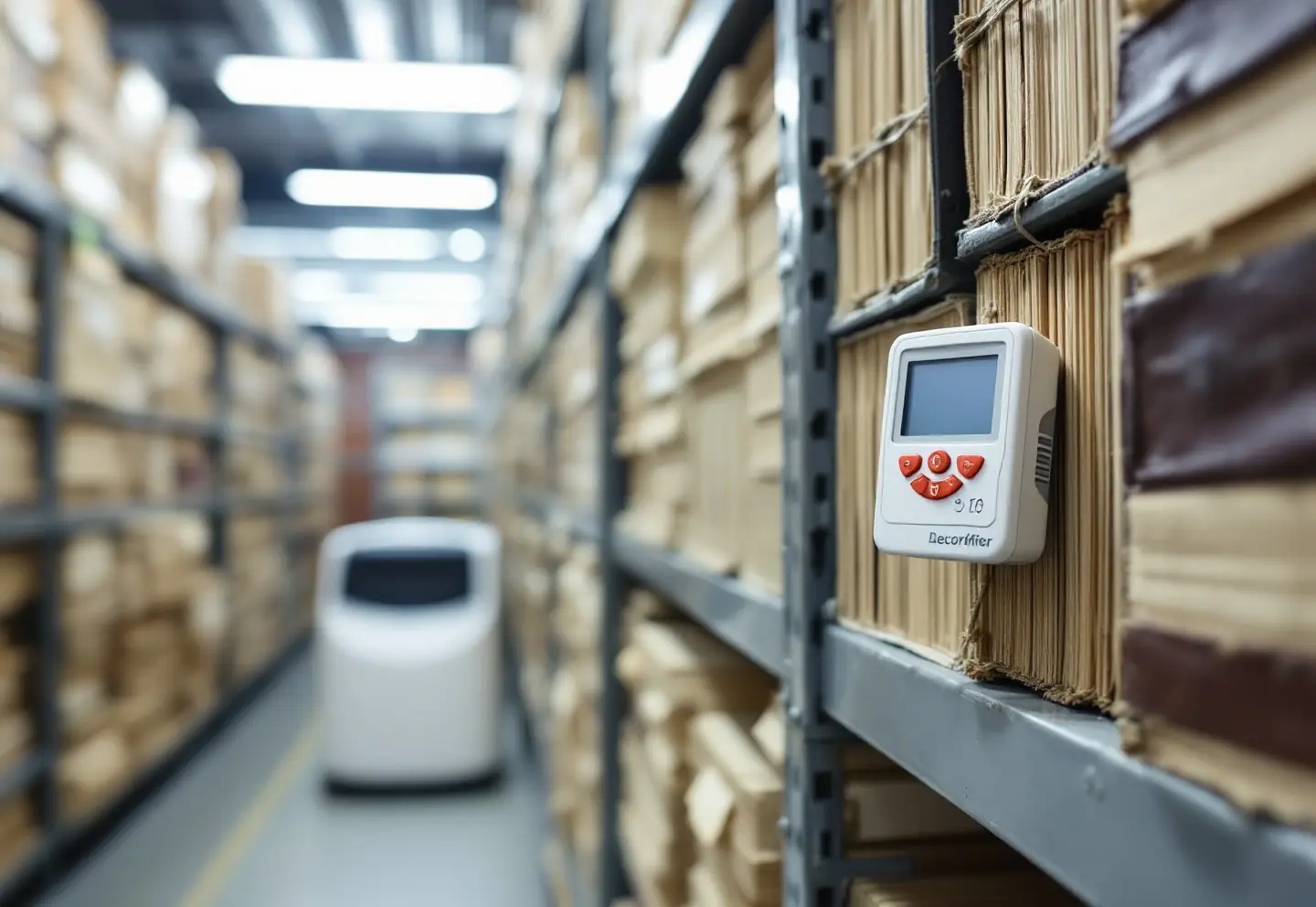
Environmental Monitoring for a Records Vault: Loggers, Targets and Reading the Graph
A practical checklist for monitoring temperature and humidity in a records vault, with logger placement, dehumidifier advice and how to read the logger graph.

Budgeting a Records Preservation Program Over Ten Years
Phasing a records preservation program over a decade: condition survey, priority scoring, annual tranches, recording-fee funds, grants and board reports.
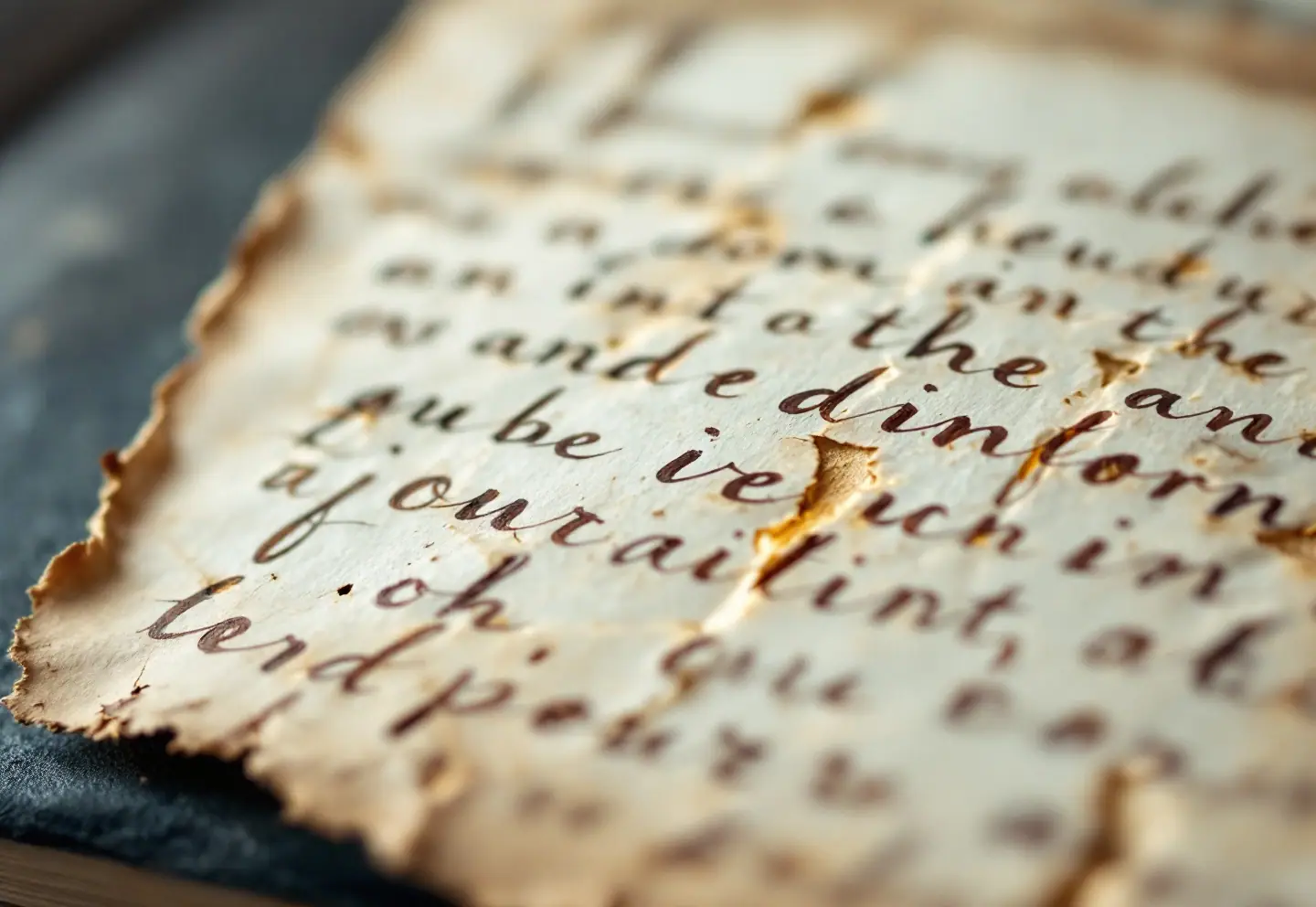
Iron Gall Ink: Why Old Handwriting Eats Through Paper
How iron gall ink damages paper, the four stages of ink corrosion, why humidity matters, safe handling and storage, and what a conservator can do about it.